
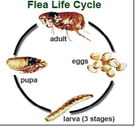
Texas heat brings with it the critters that have owners and pets alike itching. Fleas, in particular, have a tendency to make themselves at home in the carpet, bedding, and, worst of all, a pet’s fur, inflicting constant irritation and posing potential health risks to their hosts.
Dr. Lori Teller, a clinical professor at Texas A&M’s College of Veterinary Medicine and Biomedical Sciences, offers insight into the symptoms and dangers of fleas as well as effective prevention methods.
Although fleas thrive the most in warm, wet climates, there are very few places in the United States where fleas are not a problem for at least part of the year.
Whether from the environment, other animals, or people, pets are susceptible to contracting fleas from a variety of sources. Migrating wildlife can even bring fleas to areas where they may not normally flourish.
“Pets can pick up fleas from direct contact with other animals, such as at a dog park, pet store, kennel, or the beach,” Teller said. “They can also pick them up in the environment, such as the backyard or when on walks. In some cases, fleas can hitch a ride on people’s clothing or gear, such as a backpack.”
When fleas make themselves at home in a pet’s fur, symptoms can range from itchiness to major skin irritation.
“Fleas can cause pets to become itchy, especially on their lower back, inner thighs, and head,” Teller said. “With enough scratching and chewing, a pet can pull out its hair, create raw and inflamed lesions on its body, and develop a secondary bacterial infection.”
A visual inspection can often help owners know if fleas are the cause of their pet’s itching and scratching.
Fleas are more than just an irritation; they can also pose several health risks to pets, including the spread of tapeworms, flea-allergic dermatitis and secondary infections from raw wounds.
“A severe infestation, especially in very young or old pets, can even lead to life-threatening anemia, sometimes requiring a blood transfusion,” Teller said.
Fleas also can spread disease-causing bacteria to people, including Bartonella henselae, the cause of cat scratch fever; Yersinia pestis, the cause of bubonic plague; and Rickettsia typhi, the cause of murine typhus.
The best way to shield a pet from fleas is by using veterinarian-approved flea and tick preventatives. These preventatives are available as topical treatments, oral medications, and medicated collars.
Teller recommends that every dog and cat in the household be on flea prevention, even those that are inside-only.
Controlling fleas in a pet’s environment, including inside the home, is another important part of prevention.
“If you are battling a flea infestation in your home, there are some flea treatments that can be used in your carpet and furniture,” Teller said. “You may also want to enlist the help of a professional exterminator.”
Combating fleas requires a proactive and thorough approach, but by preparing for the presence of fleas, treating the issue promptly, and maintaining a clean household, pets will be healthier and itch-free.