
With the arrival of fall, there are numerous options for gardeners to plant flowers and vegetables.
September is a good time to add ornamental perennial such as Helleborus, flowering quince, camellia or forsythia.
Flowers such as zinnias and mums can by planted to enjoy colorful flowers until first frost, while pansies can bloom throughout winter with minimal care. Planting flowering perennials such as peonies and asters will allow them time to get established.
Depending on the flower and location, layering mulch over the plant to prevent weeds and protecting it from harsh conditions may be necessary.
Starting certain crops in September can provide a gardener with winter and early spring harvests.Brussels sprouts in particular love cooler weather. For less hardy vegetables, a cold frame greenhouse can help seedlings grow strong enough to survive the winter before being planted in the ground.
Many growing zones can safely plant spinach, kale and other salad greens to add to meals throughout the winter. For longer-term harvests, plant radishes and scallions to enjoy in springtime and longer- growing vegetables such as garlic and spinach to enjoy next summer.
The best herbs to plant in September include cilantro, which tends to bolt in warmer weather, and rosemary, which is hardier and can keep growing through mild winter conditions.
Chives, thyme, lemon balm and sage are perennial in many growing regions and do well when planted in containers.
When making planting decisions, compare the temperature extremes in the USDA Hardiness Zone Map in your area to those of the Texas zones. With these dates in mind, determine which frost-susceptible vegetables to plant, when to plant, and whether to use transplants or seeds.
Fall vegetable crops are categorized as longterm and short-term crops. The duration of these crops depends on the date of the first killing frost and the cold tolerance of the vegetables.
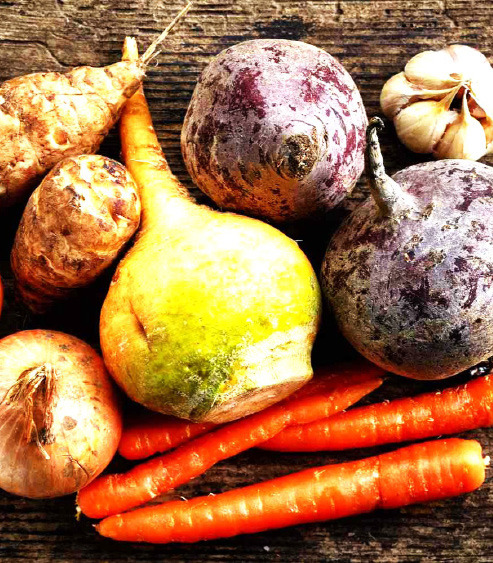
Group the plants according to their frost tolerance. Plant long-term, frost-tolerant vegetables together. Frost-tolerant vegetables include beet, broccoli, Brussels sprouts, cabbage, carrot, cauliflower, chard, collard,
garlic, kale, lettuce, mustard, onion, parsley, spinach and turnip.
Also, plant short-term, frost-susceptible vegetables together so that they can be removed after being killed by frost. Frost-susceptible vegetables include bean, cantaloupe, corn, cucumber, eggplant, okra, pea, peppers, Irish potato, sweet potato, squash, tomato, and watermelon.
For those who love spring flowers such as tulips, crocuses, hyacinth and daffodils, they should all be planted in the fall, so they have enough time to develop their root structure before winter frosts. A good rule of thumb for planting bulbs deep enough is to dig a hole two to three times deeper than the bulb’s height. Make sure to plant them roots down in an area where they’ll get lots of sun. Putting a layer of mulch over them can provide some protection from birds or weather.
When watering bulbs in the winter do so only when air temperatures are above freezing, ideally early in the day so moisture absorbs before nightfall.