

When a pet is injured or suddenly becomes ill, the first few minutes can help make a difference. While basic first aid is not a replacement for veterinary care, it can help prevent further harm until a veterinarian can provide treatment.
Dr. Christine Rutter, a clinical associate professor at the Texas A&M University College of Veterinary Medicine and Biomedical Sciences, shares what every owner should know about basic first aid for pets and preparing for an emergency. First aid at home should be used for a non-emergent accident, injury, illness or intoxication.
Rutter suggests owners seek immediate veterinary attention for any laceration or significant wound, bite injury, stings that cause pain and significant swelling, ingestion of unknown substance or foreign bodies, suspected or witnessed intoxication, suspected or witnessed envenomation, sudden weakness, collapse or lameness, a body temperature over 104°F, or persistent vomiting or diarrhea.
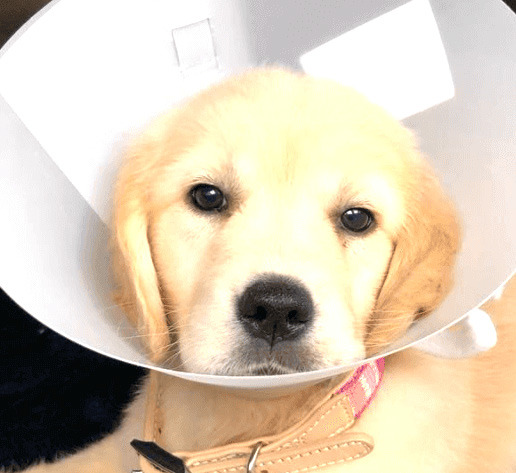
For injuries that can be treated at home, preparing a simple, well-organized pet first aid kit is helpful. Rutter recommends keeping essential items on hand including a pet thermome ter, E-collar to prevent licking/chewing, soft muzzle, non-adherent wound dressing, rolled gauze, cohesive bandage, bandage scissors, sterile gauze pads, and hemostats used to help stop bleeding.
When an animal is wounded, owners should assess the open cut to determine whether it is minor or should be seen by a veterinarian.
Next, the wound should be rinsed with sterile water, saline, or commercial wound rinse before being covered with non-adherent dressing, soft gauze and cohesive wrap. Owners should then seek veterinary care as soon as possible.
Wounds such as animal bites, lacerations, or fractures should be treated immediately by a veterinarian.
Before administering any medication, talk to a veterinarian or schedule an appointment if the wound appears less severe.
Another common emergency is suspected poisoning. Owners should take a photo of any remaining material ingested and contact ASPCA Poison Control at 888426-4435 or go directly to a veterinarian.