
As a small child, Chuck Hood has dreamt of working in EMS. At five-years-old, Hood told his parents and grandparents his dream of being a paramedic.
Hood made well on his promise and enrolled in emergency medical school and eventually began working as an emergency medical technician. Continuing to follow his passion, Hood was accepted into the Stanford’s paramedic program in 1987. The program was one of only three paramedic programs in the entire country at the time as well as being the dominant program to be accepted into.
After going through long class hours, internship hours in hospital settings and a field internship. Prior to September 11, 2001, Hood had worked 10 and a half years as a paramedic in the San Francisco Bay Area for most of his career.
Hood explained that most people might have to handle and deal with one traumatic event in their lifetime, but for himself, his profession brought him within multiple events prior to 9/11. On October 17, 1989, a magnitude 6.9 earthquake hit the San Francisco Bay area and killed 67 people. Hood ones one the first responders in the Loma Prieta Earthquake.
Some of the worst damage in the aftermath of the earthquake was the collapse of the doubledeck Cypress Street Viaduct and Interstate 880. “We ended up going out there because everyone was short-handed and overwhelmed,” said Hood. “You’re having to learn things that you weren’t typically trained to do. Ironically, two weeks before the earthquake we had a huge four county mutual aid simulation of a large earthquake hitting the bay area.”
After experiencing his first traumatic event, Hood and his then wife, relocated to the Colorado area where he worked for Denver Paramedics. On April 20, 1999, Hood was getting ready to leave work when his department received a call requesting everyone to sit tight because of what was the Columbine Shooting. Hood explained that everyone drove 15 minutes south of the location to sit tight as they were unsure of the extent of the damage.
After scene was secure, Hood along with multiple swat officers, a trauma surgeon from Denver Health Medical Center and fellow paramedics traveled through the hallways to start pronouncing deaths.
“Being in EMS for 12 years, it was a crazy feeling having two mass casualty events under my belt,” said Hood.
After short period of time, Hood returned to the West Coast and went back with the San Mateo County EMS.
The night before September 11, Hood and his fellow paramedics had been dealing with an excess of calls and a long night of work.
“We were pretty well bogged down, but there was a lot of radio chatter picking up at 5 a.m. in the morning on the west coast and we couldn’t figure out why,” said Hood. “All of a sudden San Francisco County comms said all personnel are being mandatorily held over due to a mass casualty incident. They didn’t say where and we couldn’t figure it out.”
It wasn’t until the second plane crashed into the World Trade Center that everyone in the department was watching what was happening.
“San Francisco was one of the first cities contacted by New York for mutual aid as it was one of the first agencies as they realized we had heavy concrete extrication experience from the earthquake in 89 along with Los Angeles,” explained Hood. “They were looking for a volunteer strike team to go with about 70 to 80 people. I didn’t know what I was getting myself into, but I volunteered.”
With Hood’s father passing away four years prior to September 11, he explained that he heard his father’s voice in his head telling him he needed to go.
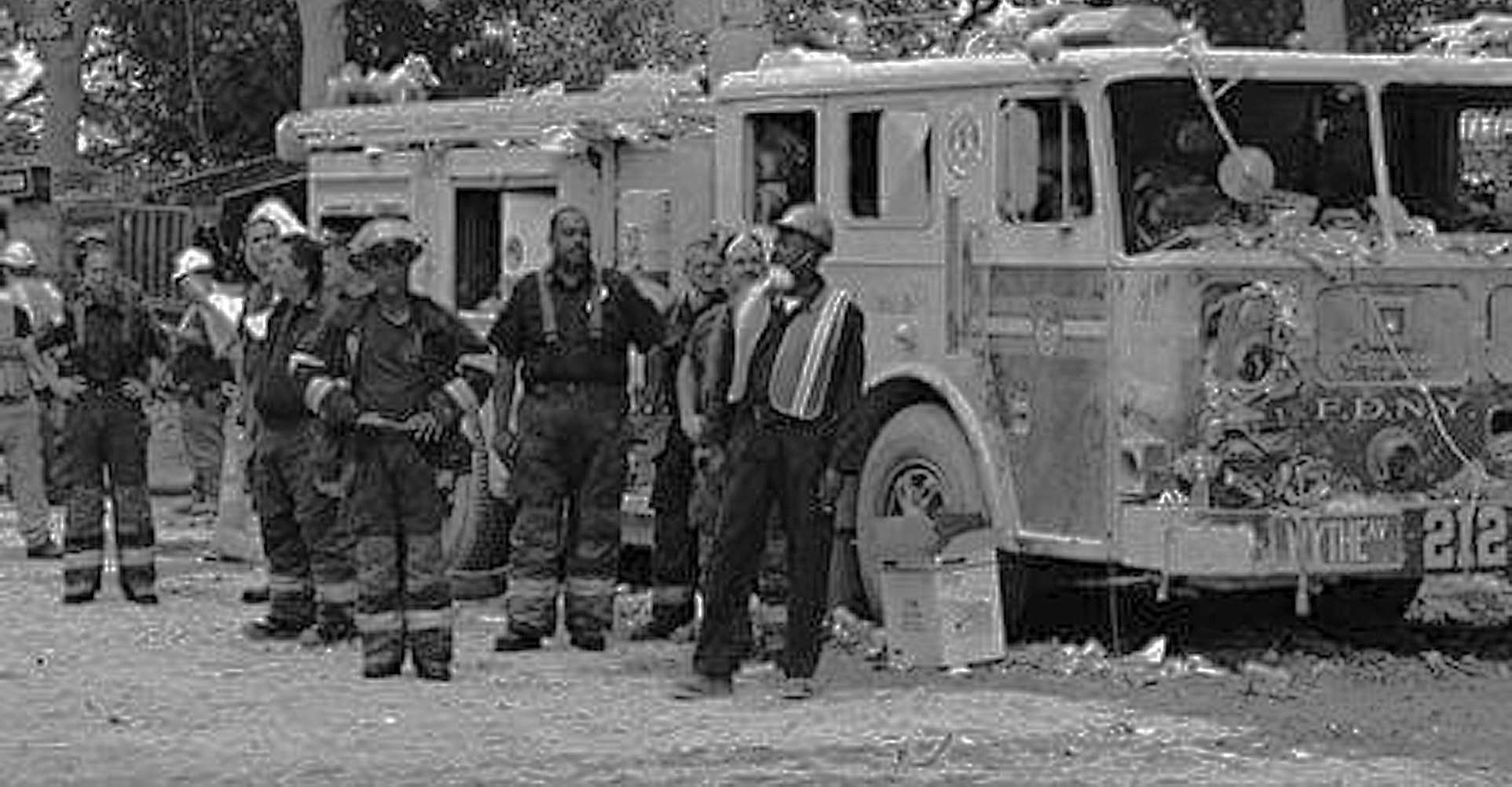
By 1 a.m. September 12, Hood and the rest of the team were on ground zero.
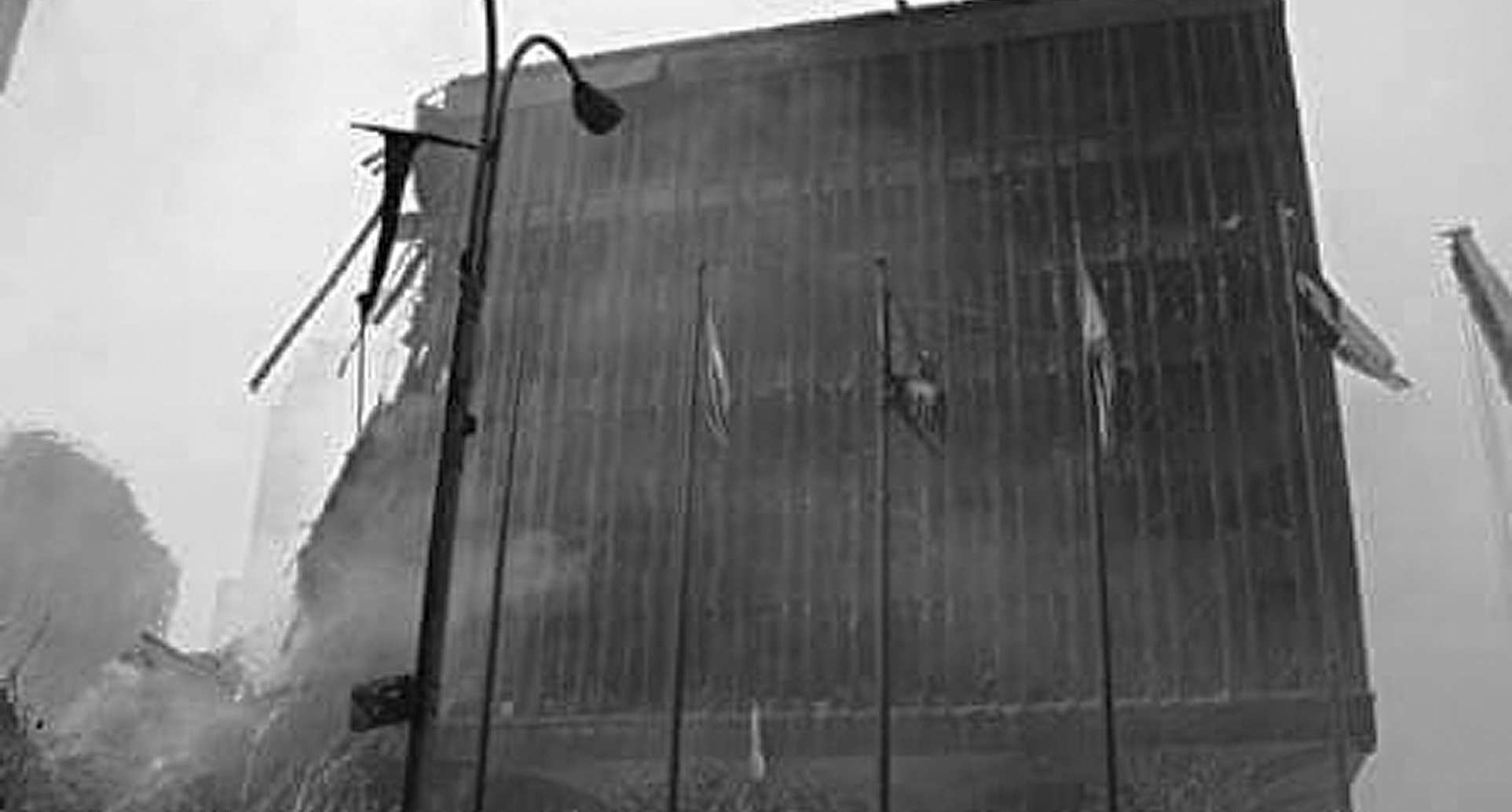
“It was absolutely crazy to see the magnitude of destruction at ground level,” said Hood. “The streets were pitch black and everything was quiet. All you could hear were the fighter jets and helicopters circling about the city.” Returning for the 15-year anniversary, Hood believes the magnitude of the events that took place didn’t hit him until he saw the streets without debris. “As we got down into the transit area and shopping area six stories below the towers, there was still power and cash registers open with money in them,” said Hood. “You could just tell it was a mass exodus of people trying to escape.” Walking through the subway tunnels, Hood explained that they didn’t find anyone while they scanned the areas. After finding a stairwell that led to the damaged Marriott, Hood, his battalion leader and fellow first responders reached the bar area.
“The leader of our group jumped over the bar and found two bottles of liquor and grabbed a handful of shot glasses,” said Hood. “We all looked at him funny, but he started pouring and said everybody had to take a shot for our fallen brothers.” Once they found their way back to the main area, crews were required to take two-hour breaks because of the amount of asbestos in the air and other contaminants to check vitals and stay hydrated.
“Sadly, the hardest part was that the area was considered a crime scene by the FBI and NY PD which meant no one was allowed to say anything,” said Hood. “There would be groups of 30 to 40 people flocking to you with pictures of their loved ones looking for answers. People would just try to slip photos in our pockets, under our arm. You would look and see all these photos and say where all these people are.”
After the first shift, they told crews to go and get some sleep and rest after working for countless hours, but Hood and his group couldn’t, knowing there was still so much to be done.
The images Hood remembers seeing of the surrounding streets that surrounded the towers is something he cannot forget. He explained that those images that are engrained in his mind are things that he continues to struggle with.
Typically working 14-to-15hour days for 16 days on ground zero, the worst thing cleaning up the large piles of debris for Hood was the breathing apparatus alarms that echoed through the mounds of rubble.
“Not knowing where any of the alarms were coming from, all you could here is those alarms ringing while you fill buckets full of debris,” said Hood. “Those alarms ringing echoed the cries of the fallen firefighters.”
The smell of jet fuel and the taste of gasoline brimmed the area, and Hood explained that he has talked to his fellow first responders and when those smells or tastes return, they relive the nightmare.
“I think one of the biggest things overall was that we were trained to save lives, but it was mass recovery situation,” said Hood. “It really makes you reevaluate your life and understand how short it can be. Sadly, 2,966 people experienced that in a matter of minutes or hours.”
Hood explained that it has continued to be a hard thing to process at times. It wasn’t until years later that Hood and his fellow first responders realized they were dealing with PTSD.
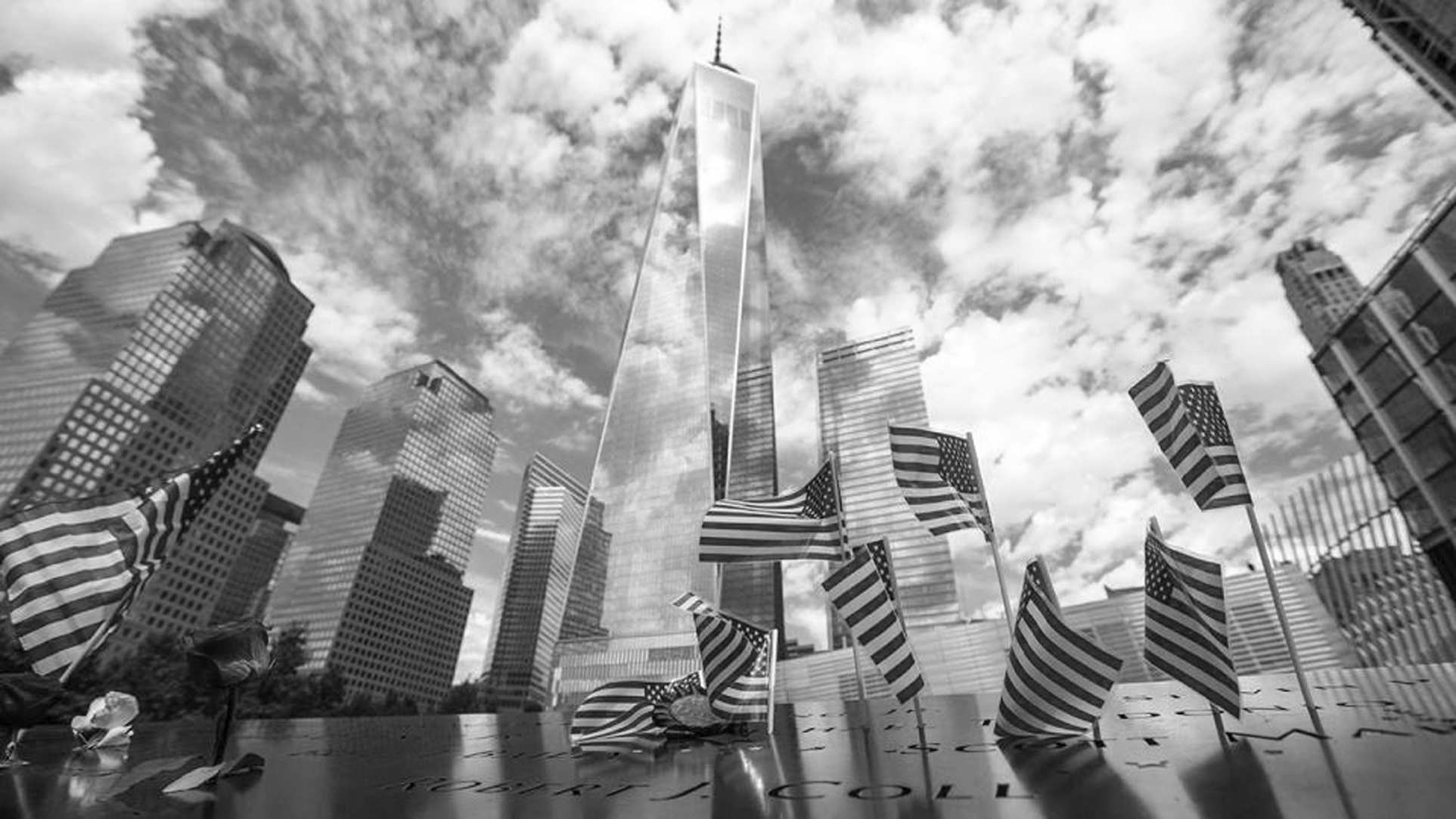
“A group of us went back in 2016 for the anniversary thinking we could handle it,” explained Hood. “Having so many people there thanking us and wanting to shake our hands was a lot.”
For Hood, September 11, and the days following the aftermath have continued to be a heavy burden to go through when 9/11 approaches every year. Physically feeling the effects of being in the environment has showed signs in his body.
“A lot of us don’t feel like heroes.” said Hood. “Yes, you must face death, but not to that magnitude. It’s hard to hear about the people we had worked with and become friends with have passed because of the illnesses from working on ground zero.”
Hood explained that it has been a lengthy process waiting for his turn to see the side effects of working in that environment.
“It’s been rather eye-opening losing people I worked with and that I had grown friendships with losing their lives because of it,” said Hood. “I’ve lost multiple friends this year.”
With a few positives, Hood returned to New York in 2016 for the 15th year anniversary and was able to go back into 2018.
Becoming good friends with a first responder in New York, he eventually passed away. Unable to be a part of his daughter’s wedding, Hood made the trip in 2018 to support her in her father’s absence.
“It was very moving being there for her,” said Hood. “Seeing the presentation his daughter made for her father as a way to have him there was amazing.”
Hood has been fortunate enough to talk to kids at various schools about his involvement and encourage those kids to learn about something that was before their time.
While trying to inform and help people learn from his experience, Hood does have his struggles with what he was a part of.
“My family knows when September 8 and 9 roll around, I usually go silent and shutdown to let the emotions do their thing,” he said. “People don’t understand the magnitude of seeing everyday human beings being taken away in such a devastating way. It hurts.”