
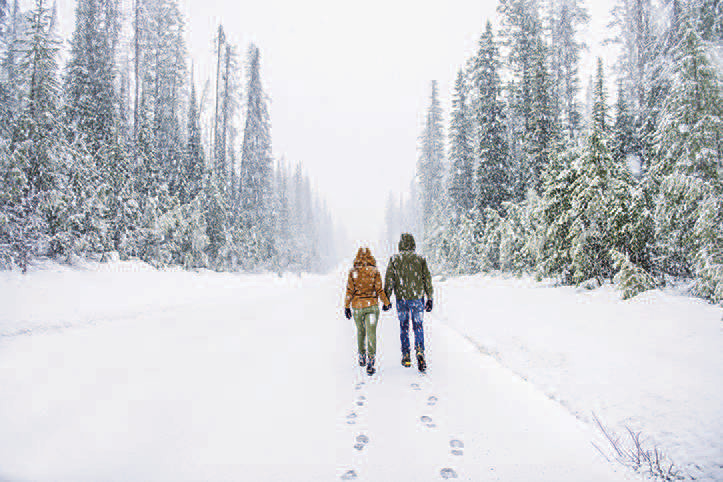
Winter might transform the outdoors into a scenic playground for hiking, skiing and skating, but cold weather isn't all picturesque moments. The season can be filled with distinct hazards like hypothermia, frostbite and sudden storm conditions. Staying safe during cold weather activities comes down to preparation.
Staying warm isn't just about wearing one's heaviest, down-filled coat; it's also about managing moisture and trapping heat. According to Life Happens Outdoors, cotton is a poor choice in the cold because it absorbs sweat and loses all insulating ability when wet. Instead, outdoor winter enthusiasts should rely on three distinct layers: 1. Base layer: Synthetic or merino wool thermal underwear wicks sweat away from your skin.
2. Middle layer: Fleece, down or synthetic insulation can trap body heat.
3. Outer layer: A waterproof, windproof shell will block cold gusts, snow and freezing rain. It's important to remember your extremities. Frostbite strikes fingers, toes, ears, and noses first. Pack insulated, waterproof gloves or mittens, heavy wool socks, and a thermal beanie that covers the ears when going outside.
Pack the essentials
Days are significantly shorter in winter, and temperatures drop rapidly once the sun dips below the horizon. Although outdoor recreation incidents and injuries decrease in winter, the number of high-severity incidents rises, according to the National Oceanic and Atmospheric Administration (NOAA). It's important to always check the local weather forecast before departing, noting wind chill values, ambient temperature and risk for precipitation. Here are some additional safety tips, courtesy of the Centers for Disease Control and Prevention and the National Park Service: · Start early: Plan routes to finish well before sunset, and carry a headlamp with extra batteries.
· Navigation: Cold weather drains smartphone batteries quickly. Keep devices warm in an inside pocket next to your body, and carry a physical paper map and compass as a backup to your smartphone.
· Winterized gear: Bring high-calorie snacks and warm liquid in an insulated thermos. Regular hydration bladders, cups and hose nozzles may freeze in subzero temperatures.
Know the warning signs
Recognizing early signs of cold exposure can save a life, says the National Weather Service. Here are some of the health risks posed by exposure to cold winter weather: Frostnip and frostbite: These conditions produce cold, numb or tingling skin that turns pale or white, and requires immediate shelter and gradual rewarming. Never rub frozen skin, as this damages tissue.
· Hypothermia: Watch for uncontrollable shivering, slurred speech, clumsiness and confusion. If someone stops shivering but still feels cold, treat that as a critical emergency.
Any time one ventures outdoors in the cold, they should always share an itinerary and expected return time with a reliable person at home. If conditions deteriorate unexpectedly, turning back early is the smartest choice.