
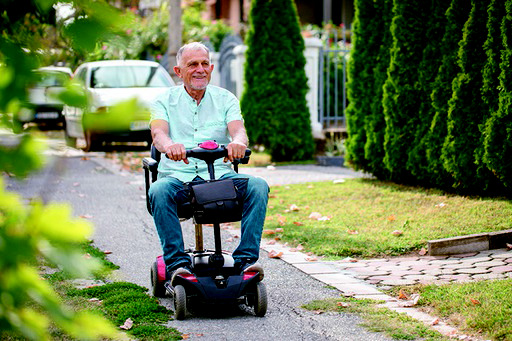
One never knows when an emergency might strike, whether it's a natural disaster, home fire or flood, or the need to leave home quickly to visit a sick relative. Older adults may be facing health issues that are not necessarily affecting younger adults, and that reality makes it wise for seniors to emphasize emergency preparedness. A personalized plan can keep older adults safe during emergency situations.
Set up a support network
Seniors should reach out to at least two people, whether it's friends, neighbors or relatives who live nearby and ask them to serve as contacts when emergencies strike. These individuals can check in on seniors, provide assistance with evacuation, if necessary, and hold spare keys. The support network also can be involved in coming up with an emergency plan regarding what to do if there is an emergency at home.
A member of a support network can serve as a liaison between a local adult recreation center or homebased care providers, if the senior participates in such services.
Plan for power loss
Electricity fuels daily life, but power outages are becoming more common as the effects of climate change impact daily life. It's important for seniors who rely on power-dependent medical devices like stair lifts, motorized beds, motorized wheelchairs and CPAP machines to figure out a backup power plan, says the American Red Cross. This may include installing a home house generator or having back-up batteries that are routinely charged.
Build a supply kit
A supply kit or a grabbable 'go bag' will be filled with all the necessities. Some seniors take five or more daily medications, so it's important to maintain at least a 30-day supply of all prescriptions and keep copies of the prescriptions in case medication needs to be filled at a different pharmacy. The American Red Cross also advises keeping extra batteries for hearing aids or mobility devices, a written list of pertinent health information, and ample water and non-perishable food for each person on hand.
Organize documents
The American Association for Geriatric Psychiatry suggests maintaining critical documents in a secure, dry and easily accessible waterproof container. These documents should include personal identification and health insurance cards, prescriptions, cash, and documentation for medical devices.