
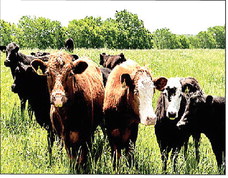
The U.S. Department of Agriculture announced a phased reopening of southern border ports to Mexican livestock starting Aug. 24, beginning with Douglas, Arizona, followed by Santa Teresa and Columbus, New Mexico ports after being closed in May 2025. Texas ports remain closed under current multi-phase risk assessments while combating New World screwworm (NWS) concerns.
The phased approach balances the need to protect the nation’s livestock herd while allowing producers to move animals through markets, Texas Farm Bureau President Russell Boening said.
“Protecting the livestock industry remains our highest priority, while ensuring producers can conduct business with functioning markets,” Boening said. “Texas Farm Bureau will continue working with USDA, state animal health officials and coalition partners to support science-based decisions that protect our farmers, ranchers and food supply. If the risk changes and a full port closure become necessary again, we will not hesitate to advocate for it. Texas producers are trusting USDA protocols and requirements to protect the health of their livestock from this invasive pest.”
Animals coming into the United States must have a 100% full USDA veterinary inspection and the absence of the New World screwworm. An immediate pause authority exists if audits or active cases reflect elevated regional risk.
“Protecting the United States from NWS and pushing this pest out of Mexico and back to the Darien Gap is a top priority at USDA and has the full attention of the Trump administration,” U.S. Secretary of Agriculture Brooke Rollins said. “The closure of the southern ports of entry for the last year has been a tough but necessary action to control the spread of NWS in Mexico and protect the American livestock industry.”
The reopening comes after USDA determined Sonora and Chihuahua remain the lowest-risk Mexican states for NWS cases. Federal officials cited the states’ established animal health infrastructure, inspection programs and distance from the areas of southern Mexico where most active cases remain concentrated.
USDA said additional ports will reopen only if Mexico continues meeting milestones outlined in the joint U.S.-Mexico action plan.
Texas & Southwestern Cattle Raisers Association (TSCRA) President Stephen Diebel in statement said, “Our members need the ability to maintain commerce, but they also need assurance that every reasonable safeguard is in place to reduce the risk of New World screwworm. USDA’s decision to conditionally reopen limited ports of entry to cattle imports through a phased approach reflects many months of work by USDA, state partners and cattle raisers to strengthen the nation’s response to New World screwworm.”
“Our priority has always been twofold: protecting the U.S. cattle herd and wildlife while ensuring cattle raisers can continue to operate and markets can function. TSCRA will continue closely monitoring the situation and will not hesitate to urge the immediate closure of these ports should science indicate the risk has changed.”
Texas Agriculture Commissioner Sid Miller praised the decision to allow a limited resumption of cattle importation from Mexico but expressed continued concern about the ongoing disruption to the U.S. cattle industry due to NWS.
“Resuming cattle importation from Mexico is the right move for ranchers and American consumers, but it’s a decision that should have been made sooner. While I’m pleased to see this important trade relationship restored, the prolonged closure has already taken a toll on producers, disrupted supply chains and created uncertainty that could have lasting consequences for the cattle industry,” said Miller.
Miller said the decision to phase in reopening comes on the heels of the binational New World Screwworm Summit that Miller hosted with partners in Mexico, Texas, and New Mexico, where leaders from both sides of the border sat down with one goal in mind: protecting animal health while preserving the flow of agricultural trade. The summit produced broad agreement that the best path forward is one built on science, cooperation and proven biosecurity measures, not unnecessary disruptions that hurt the very producers the state is trying to protect.
The first U.S. case was confirmed in a calf in Zavala County on June 3, and there have been 42 domestic animal cases confirmed as of July 26.
USDA has expanded its response to the pest through a five-pronged plan focused on surveillance, movement protocols, sterile fly dispersal, enhanced preparedness and international collaboration.
The department is also increasing sterile fly production in Mexico and constructing a domestic sterile fly production facility in Edinburg to strengthen eradication efforts.