
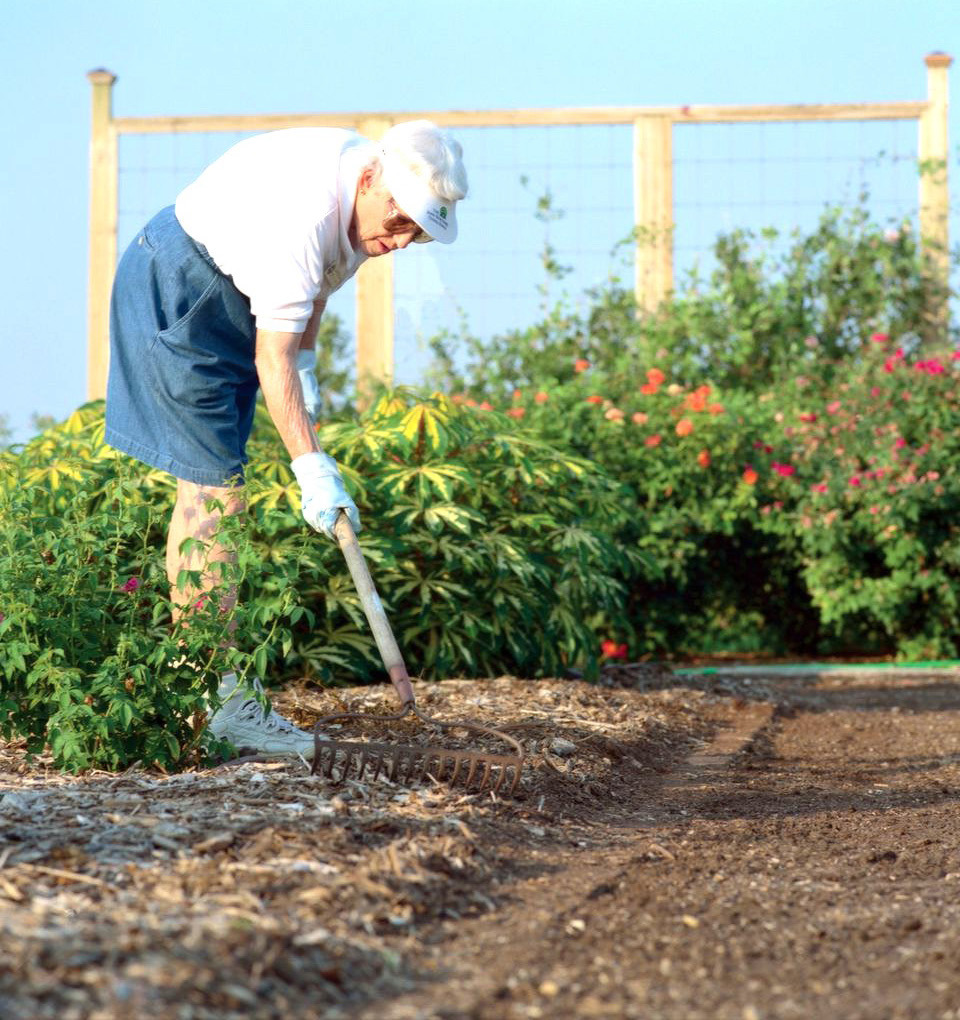
Gardening is a yearround activity. Those who garden develop an appreciation and a desire for fresh, nutritious vegetables and fruits. In many situations, the best way to obtain fresh vegetables is to grow them at home.
Some of the best quality garden vegetables in Texas are produced and harvested during the fall season when warm, sunny days are followed by cool, humid nights. Under these climatic conditions, plant soil metabolism is low; therefore, more of the food manufactured by the plant becomes a high-quality vegetable product.
Successful fall gardening begins much earlier than the fall season. Factors to be considered are adequate soil preparation, available garden space, crops to be grown, space for each crop, varieties to use, and obtaining the quantity and varieties of seed. Some crops are more easily grown when seeds are planted early, and then the seedlings are transplanted to the garden at a later time.
Growing seedling plants under partial shade and with insect protection may be more easily accomplished than seeding directly in the garden.
Usually, the time of planting is dependent upon the length of time required to produce the crop. Some crops may be limited to a specific planting date. Others, such as radish, may produce a crop in 20 to 30 days, thus allowing the gardener to make successive plantings for a more continuous supply.
Cold frames and row covers make year-round home food growing possible in Oklahoma. Salad crops are particularly successful if grown in cold frames and harvested on an as-needed basis in January and February.
Since seeds and transplants may be planted in the garden during June, July, August, and September, supplemental water is a necessity to aid seed germination and plant growth. Many gardeners may have a limited supply of water available, and furrow or drip irrigation applied only in the row might provide for suitable early growth. Fall rains may wet the dry soil between the rows. Vegetables grown in the fall not only provide fresh produce for the season, but also provide quantities that can be harvested and stored for use in the months following fall frosts and freezes.
The ease with which one is able to grow plants is greatly influenced by characteristics of the soil. Modifying or improving the soil prior to and during the gardening season is important.
Various fertilizer elements are necessary for plant growth and many can be easily applied. However, other aspects of soil improvement may not be as easily and readily accomplished.
In a very sandy soil, the incorporation of organic matter would reduce rapid drying of the soil and improve nutrient availability. In a very heavy clay soil, organic matter would improve soil aeration, water absorption, and drainage.
Viable seed, in order to germinate or sprout, must have the proper temperature, adequate moisture, and sufficient oxygen. The surface of the soil, when exposed to the summer sun, may become very hot (140°F or 60°C). Vegetable seeds should be planted no deeper than three times the diameter of the seed.
In order to achieve proper temperature and adequate moisture, apply mulch over the row following planting and watering or use materials such as screen wire strips, shade cloth, or boards to cover the row. This will moderate both soil temperature and soil moisture. Remove covers after seedling emerges.
Conditions that favor the germination of planted vegetable seed and luxuriant growth also favor the growth of grass and broadleaf weed plants. Mulch the soil or cultivate when the grass and broadleaf weed plants are very small and more easily destroyed.
Check with Hockley County Extension office for the ideal vegetable plants for the area.
Hockley County AgriLife Extension (806) 894-3159